
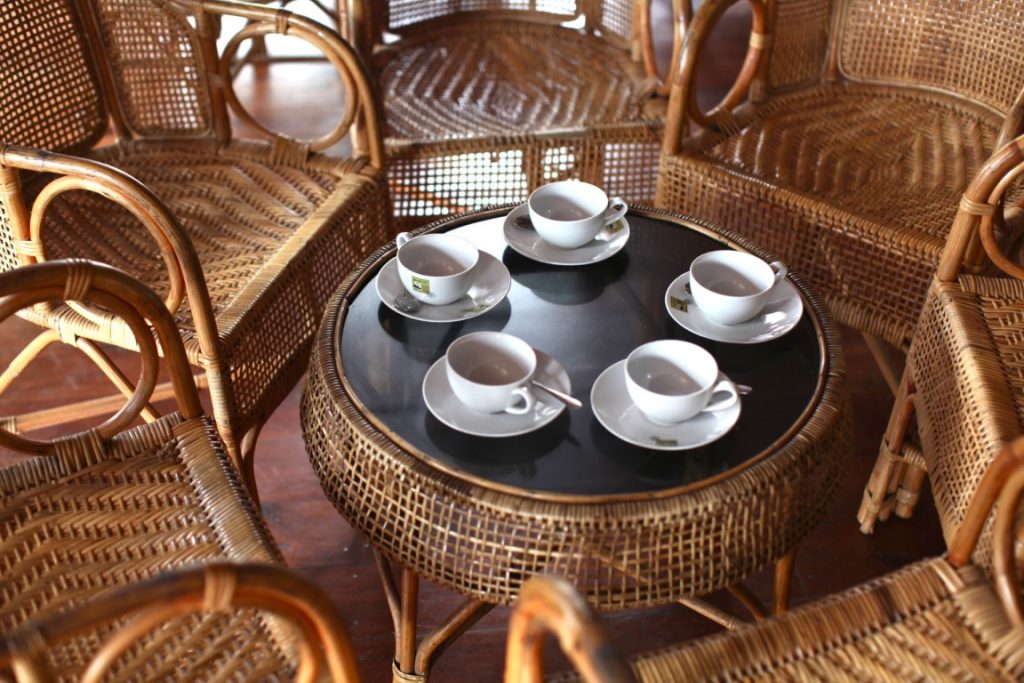
Sustainability is no longer just a trend—it’s a necessity. As people become more environmentally conscious, eco-friendly furniture is gaining popularity. Among the best options, bamboo furniture stands out as a game-changer. But what makes bamboo the ultimate eco choice? Let’s dive in!
What Makes Bamboo a Sustainable Choice?
Rapid Growth Rate
Unlike hardwood trees that take decades to mature, bamboo grows incredibly fast. Some species can grow up to 3 feet per day, making it one of the most renewable materials on the planet.
Minimal Resource Consumption
Bamboo requires far less water than traditional trees and doesn’t need chemical fertilizers or pesticides. This makes it an eco-friendly option with minimal environmental impact.
Biodegradability
Unlike plastic furniture, bamboo decomposes naturally without releasing harmful toxins into the environment, making it a perfect sustainable choice.
Environmental Benefits of Bamboo Furniture
Reduces Deforestation
As global forests shrink due to excessive logging, bamboo provides an alternative that doesn’t contribute to deforestation. It regrows quickly and can be harvested without killing the plant.
Low Carbon Footprint
Bamboo absorbs more CO2 and releases 35% more oxygen than regular trees, making it an excellent carbon sink.
Chemical-Free Processing
Unlike synthetic furniture, bamboo can be processed with minimal chemicals, reducing pollution and keeping your home toxin-free.
Bamboo vs. Traditional Wood Furniture
Growth and Harvest Time Comparison
- Hardwood: 30-50 years to mature
- Bamboo: 3-5 years to mature
Durability and Strength
Bamboo is surprisingly strong—comparable to oak and maple—making it an excellent alternative to traditional wood furniture.
Cost-Effectiveness
Bamboo is generally more affordable than hardwood while offering similar durability and longevity.
Types of Bamboo Furniture
- Chairs and Tables – Lightweight and sturdy
- Beds and Wardrobes – Elegant and long-lasting
- Decorative Pieces – Adds a natural touch to any home
Maintenance and Care Tips
To keep your bamboo furniture in top shape:
- Wipe with a damp cloth regularly
- Avoid excessive moisture
- Use natural oil to maintain shine
Bamboo in Modern Interior Design
Interior designers love bamboo for its versatility. Whether you prefer minimalist or rustic styles, bamboo fits seamlessly into any decor.
Challenges and Limitations of Bamboo Furniture
While bamboo is an eco-friendly choice, some challenges exist:
- Transportation impact – Shipping bamboo internationally increases its carbon footprint.
- Weather Sensitivity – Bamboo can warp in extreme conditions if not treated properly.
Conclusion
Bamboo furniture is the ultimate eco-choice, combining sustainability, durability, and aesthetic appeal. Whether you’re looking to reduce your carbon footprint or add a natural touch to your home, bamboo is a fantastic option.
FAQs
1. Is bamboo furniture more durable than wood?
Yes, bamboo is as strong as hardwood and resists warping and cracking.
2. Can bamboo furniture withstand moisture?
Yes, but it should be treated properly to prevent mold and swelling.
3. Is bamboo furniture expensive?
No, it is often more affordable than traditional hardwood furniture.
4. How can I maintain bamboo furniture?
Clean with a damp cloth and avoid excessive exposure to moisture and direct sunlight.
5. Where can I buy high-quality bamboo furniture?
Many eco-friendly brands and local artisans sell high-quality bamboo furniture. Look for FSC-certified products for sustainability assurance.